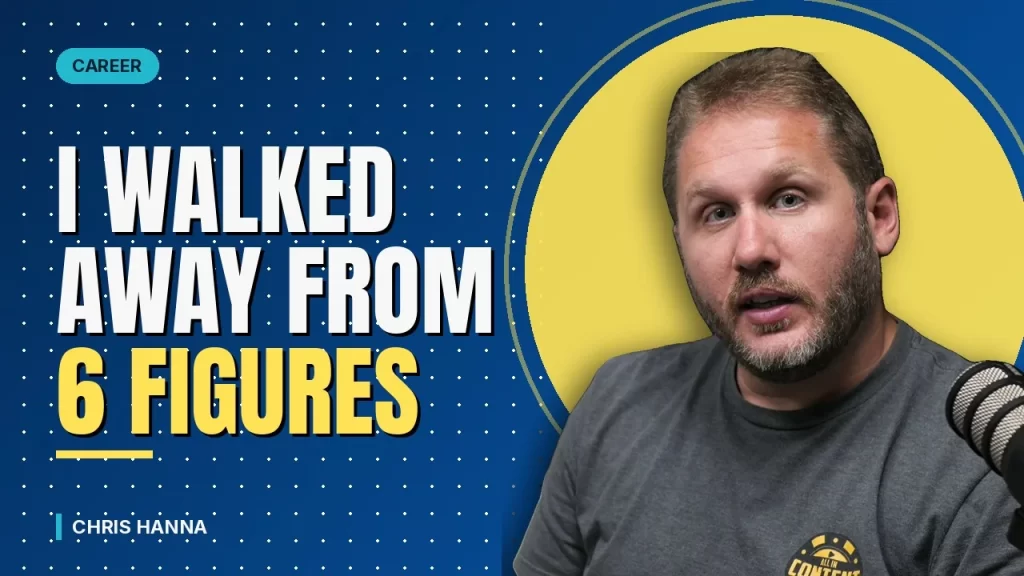
I was a CEO with a healthy six-figure salary when I decided to quit. Not because I got fired, not because the company was falling apart, but on purpose. People still ask me why anyone would quit a six-figure job to start from scratch. Fair question. Here’s the honest answer, including the parts that don’t make me look great.
I’m not writing this to tell you to quit your job. Most people shouldn’t, at least not tomorrow. I’m writing it because I wish someone had told me the real version before I did it, instead of the highlight reel.
Why I Decided to Quit a Six-Figure Job
On paper, I’d made it. Big title, good money, the kind of job people congratulate you for. I’d been fired twice earlier in my career, and climbing back to a CEO role felt like proof that I’d won.
Except I hadn’t. I was miserable. Not every day, and not in a dramatic way. It was quieter than that. I was checked out. I was faking enthusiasm. I was building somebody else’s dream and calling it success because that’s what the paycheque said it was.
I’d spent most of my career chasing the next title and the next raise, thinking the next one would finally make me feel like I’d arrived. It never did. Each one just raised the stakes on a life I didn’t actually want.
At some point, the question changed. It stopped being "can I afford to leave?" and became "can I afford to stay?" Once I asked it that way, the answer scared me more than leaving did.
I remember running the numbers over and over, looking for a reason to stay. The money made sense. The title made sense. Everything on paper said stay. The only thing that didn’t make sense was me, and how I felt every Sunday night knowing Monday was coming. Eventually I realized I could keep finding reasons forever. There would always be one more bonus, one more project, one more year. So I stopped looking for permission and made the call.
What Made It Possible to Quit a Six-Figure Job
I didn’t quit with nothing. That matters, and I don’t want anyone reading this to think I jumped off a cliff with no parachute.
- I’d built side hustles that proved I could earn money on my own.
- I’d been speaking, coaching, and putting myself out there for years.
- I’d learned from poker how to take calculated risks without falling apart.
- I had a real idea of what I wanted to build next.
None of that made it safe. But it made it a smart bet instead of a reckless one. There’s a huge difference.
What Nobody Tells You When You Quit a Six-Figure Job
The Money Hits Different
You know intellectually that the paycheque will stop. Then it actually stops. There’s no automatic deposit every two weeks. Every dollar has to be earned, chased, and sometimes chased again. If you’ve been salaried your whole life, that adjustment is real and it’s uncomfortable as hell.
You Lose the Title, and Some People Treat You Differently
When you’re a CEO, people take your calls. When you’re a guy starting something new, some of those same people stop answering. It’s humbling. It also shows you very quickly who valued you and who valued your position.
Freedom Comes With Weight
Nobody tells you what to do anymore. That’s the dream, right? It is. It’s also terrifying, because every decision is yours and so is every mistake. There’s no boss to blame and no department to hide behind.
It Gets Lonely
A job comes with built-in people. Coworkers, meetings, lunch. When you go out on your own, a lot of that disappears overnight. You have to build your own community on purpose, or you end up talking to your laptop all day.
What I Got When I Quit a Six-Figure Job
Here’s the other side, and it’s why I’d do it again in a heartbeat.
I wake up building something that’s mine. I get to choose who I work with, what I say yes to, and what I say no to. I built All In Content from nothing, and we’ve now filmed more than 15,000 videos with over 100 businesses across Windsor-Essex. I host my own podcast. I speak. I play poker at a level I never had time for before.
Is it easier? No. It’s harder in a lot of ways. But it’s mine, and I don’t feel like I’m faking it anymore. That alone was worth the pay cut.
Should You Quit a Six-Figure Job?
Maybe. Maybe not. Here’s how I’d think about it if I were sitting across the table from you.
Quit If
- You’ve been unhappy for a long time, not just a bad few months.
- You’ve already proven, on the side, that people will pay for what you want to do.
- You have enough saved to cover your essentials for a while.
- You’ve talked it through honestly with the people it affects.
Don’t Quit Yet If
- You’re running away from a bad boss rather than toward something specific.
- You have no idea what you’d do next.
- You haven’t tested your idea with a single paying customer.
- One bad month would put your family at real risk.
If you’re in the second group, that doesn’t mean never. It means build first. Get your proof, then make your move.
How to Prepare to Quit a Six-Figure Job
- Start building your thing on the side, now.
- Cut your personal expenses before you cut your income.
- Save more than you think you need.
- Line up your first few customers before you leave.
- Pick a number or a date that triggers the jump, and write it down.
- Build relationships outside your current company.
Would I Quit a Six-Figure Job Again?
Yes. Without question. I’d do a few things differently, like saving more and building my network outside work sooner, but I’d still walk out that door.
The money was real. The title was real. But the life I was living wasn’t mine. Walking away from a six-figure salary was the scariest thing I’ve ever done and the best decision I’ve ever made. Both of those things are true at the same time, and I think that’s how you know it was the right call.
FAQ: Quitting a Six-Figure Job
How much should I save before I quit?
Enough to cover your essential expenses for several months at minimum. More if your business will take time to generate income.
Is it smarter to start on the side first?
Almost always. Building on the side lets you test your idea and build income before you give up the paycheque.
What if I quit and it doesn’t work?
Then you’ll have learned more in a year than most people learn in ten. Skills and experience don’t disappear. You can always find work again. You can’t get back the years you spent wondering.
Want to Talk Through Your Own Jump?
If you’re thinking about walking away from something comfortable, I coach people through exactly that decision. Learn about coaching, or if your audience is full of people asking the same question, book me to speak.